Feeding deer and other backyard wildlife benefits from reliable, high-quality corn. The following selection highlights 50 lb bags of deer corn and related corn products, sourced from US farms or trusted brands. This guide compares whole and cracked corn options, nutrition notes, and wildlife appeal to help you choose appropriate feed for your area and season.
| Product | Brand |
|---|---|
| Old Potters Wildlife Shelled Whole Corn | Old Potters |
| Wildlife Elements Critter Corn, Natural Whole Shelled Corn | Wildlife Elements |
| CountryMax Backyard Seeds Corn – Cracked Corn | CountryMax |
| CountryMax Backyard Seeds Corn – Whole Corn | CountryMax |
| EasyGo Shelled Corn – Indiana Grown | EasyGo Product |
Old Potters Wildlife Shelled Whole Corn
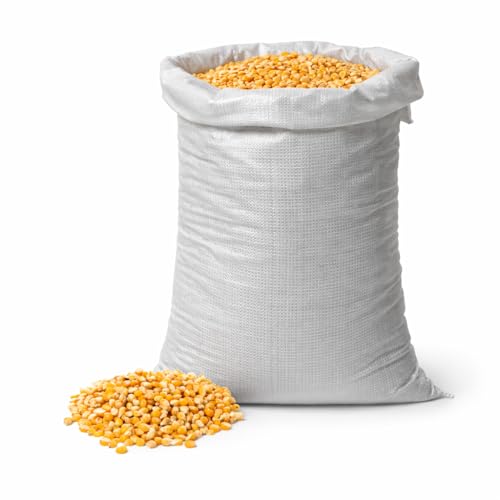
This 50 lb bag features non-GMO shelled whole corn sourced from small farms across the United States. The product emphasizes USA-grown pride and aims to support local agriculture. It’s described as ideal for supplementing the diets of grown chickens and wildlife, promoting vitality and egg production when kept in rotation with other feed.
Wildlife Elements Critter Corn
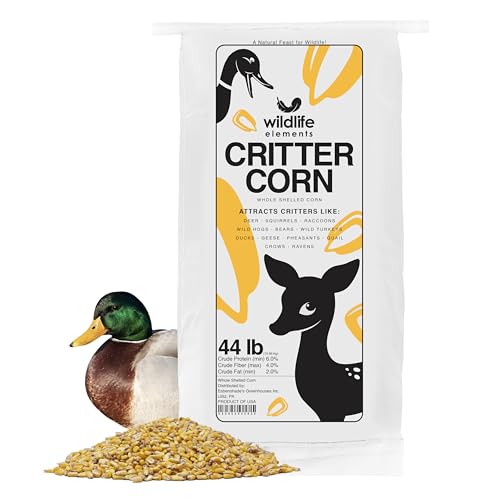
This 44 lb bag provides natural, whole shelled corn designed for a broad range of wildlife, including deer, squirrels, turkeys, ducks, and raccoons. The product is positioned as high-energy nutrition to fuel wildlife year-round, with emphasis on attractiveness to multiple species and sustainable, USA-sourced ingredients.
CountryMax Backyard Seeds Corn – Cracked Corn

Cracked corn in a 50 lb bag offers a high-energy, easily digestible feed option. The product lists no debris and is suitable for chickens, turkeys, doves, cardinals, jays, quail, deer, squirrels, and other backyard wildlife. It emphasizes energy, nutrition, and broad wildlife appeal, with notes on scattering as ground feed or feeder use.
CountryMax Backyard Seeds Corn – Whole Corn

Whole corn kernels are supplied in a 50 lb bag, described as 100% edible with no debris. This option emphasizes energy and nutrition, suitable for wildlife and barnyard animals alike. The listing highlights its use for year-round feeding and attracting a variety of ground-feeding birds and larger wildlife, including deer and squirrels.
EasyGo Shelled Corn – Indiana Grown
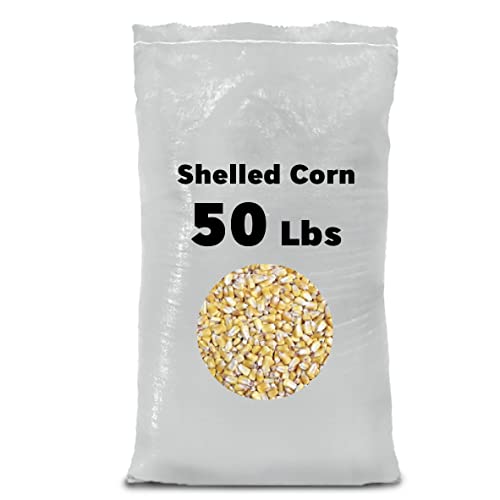
This 50 lb bag features shelled corn noted for nutritional value, with carbohydrates, fiber, and vitamins A and E highlighted. It supports a wide range of wildlife, including squirrels, deer, raccoons, birds, rabbits, possums, turkeys, and foxes. The listing also notes a playful usage in cornhole games, illustrating its versatility.
Buying Guide: Key Purchase Considerations
- Form and digestibility: Whole vs cracked corn affects digestion, energy release, and feeding equipment. Cracked corn can be easier for some wildlife to access, especially in cooler months when energy needs spike.
- Nutrition and energy: Look for high carbohydrate content and minimal moisture. Non-GMO or USA-sourced corn may appeal to buyers prioritizing natural farming standards.
- Wildlife compatibility: Different species respond to various shapes and flavors. Shrinking winter supplies call for energy-dense options to support deer, turkeys, squirrels, and birds alike.
- Storage and shelf life: Keep corn in a dry, cool place to prevent mold. Large bags should be transferred to secure containers if exposed to humidity or pests.
- Sourcing and certifications: US-sourced products and small-farm partnerships can align with consumer preferences for traceability and local agriculture.
- Feeder integration: Ensure you have appropriate feeders or ground-area coverage for consistent feeding. Consider feeder cleaning and disease prevention when feeding wildlife regularly.
- Seasonal considerations: In colder months, energy-dense corn varieties may better support wildlife through harsh weather, while summer feeding can focus on nutrition balance and attracting diverse species.
- Safety and allergen considerations: Avoid products with fillers or unknown debris. Verify that the corn is free from harmful additives and retains natural appeal for wildlife.