Explore a curated selection of albino blue grass guppies and related live plants that pair well with peaceful freshwater tanks. These species and accessories are chosen for beginner-friendly care, vibrant color, and easy maintenance. Below you’ll find five well-suited options, plus a buying guide to help you compare features, compatibility, and care needs.
| Product | Type | Key Feature | Ideal For |
|---|---|---|---|
| Blue Tuxedo Albino Guppy Pair | Live Fish | Ready to breed, blue peach tones | Color-focused displays and breeding |
| Blue Grass Ribbons Guppy Trio | Live Fish | One male, two females for easy populations | Community tanks, beginner-friendly |
| Blue/Green Dragon Mosaic Guppy | Live Fish | Distinct mosaic color patterns | Showcase tanks, color variety |
| Guppy Grass Live Plant (Najas Guadalupensis) | Aquatic Plant | Ammonia/nitrate control, live arrival guaranteed | Natural filtration and cover |
| Guppy Grass Najas Guadalupensis Portion | Aquatic Plant | Portion-based packaging, plant care guidance | Healthyly planted tanks |
Note: The selections emphasize albino and blue-toned guppies, compatible with peaceful community tanks and planted aquariums. Care needs vary by species and arrangement, so consult the product specifics for breeding, temperature, and feeding guidelines before purchase.
Blue Tuxedo Albino Guppy Pair
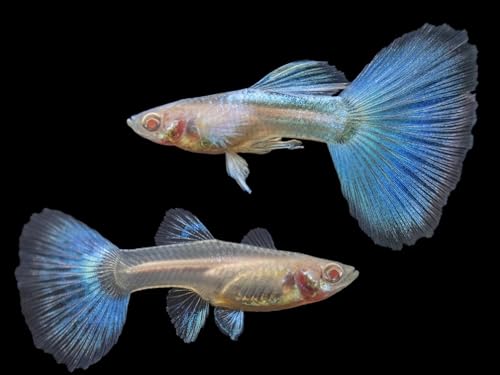
The JungleAquashrimp Blue Tuxedo Albino Guppy pair offers a ready-to-breed option with males and females that present a distinctive mix of peach, blue, and white tones with a translucent sheen under proper lighting. Average size ranges from 1 to 1.5 inches, making them suitable for modestly stocked community tanks. Color depth may dip during transit, but most specimens recover their hues within about a week. These guppies are valued for their striking appearance and compatibility with planted tanks that favor peaceful communities.
Key points include color variability between genders, with males typically more vibrant than females, and the expectation that coloration returns after transport stress. They are ideal for hobbyists seeking visual appeal without demanding care routines beyond standard guppy husbandry, including regular partial water changes and stable, moderate water temperatures.
Blue Grass Ribbons Guppy Trio

This trio from D&A Tropical Fish LLC includes one male and two females, designed to help establish a thriving, colorful population in home aquariums. Guppies are known for their hardiness and ease of care, making them suitable for beginners and seasoned hobbyists alike. The varied ribbon patterns contribute to a lively display in a community tank, with females offering more subdued tones yet equal role in the overall aesthetics. These fish adapt well to typical freshwater setups with regular feeding and routine tank maintenance.
Blue/Green Dragon Mosaic Guppy

The Blue/Green Dragon Mosaic Guppy constitutes a breeding pair or small group featuring bold mosaic patterns that stand out in standard community tanks. As with other guppies, these fish are generally hardy, making them accessible for beginners while offering enhanced color complexity for experienced aquarists. The pairing supports simple genetic variety, and the fish adapt well to stable, well-filtered freshwater conditions in compatible setups—ensuring a striking focal point in a diverse aquarium environment.
Guppy Grass Live Aquatic Plant

Guppy Grass (Najas Guadalupensis) provides practical benefits in a guppy-focused setup. A compact portion spans approximately a golf-ball size, offering surface coverage that helps maintain water quality by absorbing ammonia and nitrates while contributing to a balanced aquarium ecosystem. The listing includes a live-arrival guarantee, underscoring the emphasis on healthy initial establishment in the tank. This plant is valued for fast growth under appropriate lighting and for creating natural shelter for fry and adults alike, enhancing the tank’s visual appeal and ecological balance.
Guppy Grass Najas Guadalupensis 1 Portion

This single-portion Guppy Grass listing is tailored for easy tank integration, with guidance to avoid extreme daytime temperatures and a note on the necessity of appropriate lighting for aquatic plant growth. Packaging is designed for simple placement in your aquarium and supports a healthy plant-to-fish balance in community tanks. Selecting this plant helps create natural hiding spots and fosters a more lush, self-sustaining aquatic environment for guppies and similar species.
JDYYICZ Plastic Aquarium Plant

The JDYYICZ blue and white plastic aquarium plant offers a synthetic decor option suitable for a no-fuss setup. As a non-living element, it requires no feeding and can help define tank sections or provide shelter-like structures for guppies. While not a real plant, such decor can complement live plants and living fish in a balanced décor approach, especially in temporary arrangements or display tanks where plant maintenance is a concern.
Buying Guide: Key Considerations for Albino Blue Grass Guppy Setups
- Species compatibility: Guppies generally mix well with small, peaceful fish. Avoid aggressive tank mates that may stress or prey on fry. Consider a well-planted or densely furnished tank to provide cover.
- Color and pattern variety: Albino blue tones range from peach to blue-white iridescence. Males are typically more colorful; females provide contrast. Decide whether you want a uniform display or a mixed gallery of mosaic patterns.
- Breeding considerations: If breeding, prepare a separate breeding tank or use plants to provide fry with hiding places. Monitor water quality to reduce stress during transport and acclimation.
- Water parameters: Most guppies thrive in moderate temperatures (around 72–82°F), neutral to slightly alkaline pH, and clean, well-filtered water. Regular water changes support color retention and health.
- Tank setup: A well-lit, planted or faux-planted tank enhances color display and offers shelter. Guppies enjoy gentle currents, so aim for moderate filtration without strong flow that can tire fry.
- Plant integration: Live plants like Najas Guadalupensis improve water quality and provide hiding spaces. Ensure lighting and nutrients support plant growth for a balanced ecosystem.
- Feed and care: Offer a varied diet, including high-quality flake foods, frozen/live foods as appropriate, and occasional veggie matter. Monitor for color retention, energy, and appetite.
- Age and development: Young fish may display muted color until maturity. Purchasing a small group or a breeding pair can yield more consistent color progression over time.
- Color permanence and transit: Expect possible color fade during transit; acclimate gradually and provide stable conditions after arrival to encourage full color expression.
- Decor and safety: Avoid sharp decorations and ensure secure equipment placement to minimize injury. Smooth surfaces reduce stress and support a healthy environment for fry development.
This guide emphasizes a balanced approach: select fish and plants that complement one another, maintain stable water conditions, and provide a visually appealing, easy-to-care-for freshwater setup suitable for American hobbyists and communities.”