The following article highlights top electric dog collar and fence systems designed to keep dogs safe while allowing freedom and flexible boundary options. Each option is evaluated on boundary technology, ease of installation, water resistance, and training modes to fit varying yard sizes and dog temperaments.
Chosen products at a glance:
| Product | Brand | Boundary Type | Key Benefit |
|---|---|---|---|
| PetSafe Wireless Pet Containment System | PetSafe | Wireless circular boundary | Travel-friendly, quick setup, adjustable correction levels |
| GPS Wireless Dog Fence System (DJNFGQ) | DJNFGQ | GPS-based, invisible | No digging, flexible boundary adjustment |
| PRTRFLC GPS Wireless Dog Collar Fence System | PRTRLFC | GPS-based, radius up to 6561 ft | High-precision positioning, multiple training modes |
| Wireless Dog Fence With 3 Warning Modes (DOGOITM) | DOGOITM | Wireless boundary with GPS positioning | Three correction modes, extended range |
| PcEoTllar Electric Fence For Dogs | PcEoTllar | Underground/aboveground boundary wire | Family-ready with two collars, safe collar design |
PetSafe Wireless Pet Containment System

The PetSafe Wireless Containment System creates a circular boundary around your yard, covering up to a half acre. It is designed for dogs over 8 pounds and aged at least 6 months. The lightweight, portable transmitter requires about 1–2 hours to set up and eliminates digging or trenching. The receiver collar offers 5 adjustable correction levels plus a tone-only option, with a reentry safety feature to prevent continuous stimulation. The waterproof collar uses a replaceable battery with a typical lifespan up to two months and fits necks from 6 to 28 inches.
This system emphasizes a simple boundary setup and a humane training approach. The correction levels can be tailored to the dog’s temperament, and the tone mode helps with initial training. Because the boundary is wireless, moving locations or taking it on the road is straightforward. Ideal for smaller yards or rented spaces where permanent installations are not practical.
Pros include portability, quick installation, and a clear tone cue. Potential considerations are range limitations in cluttered areas and the need to keep the collar charged for consistent performance. Overall, it suits households seeking an uncomplicated, travel-friendly option for basic containment.
DJNFGQ GPS Wireless Dog Fence System

The DJNFGQ GPS fence uses satellite signals to create an invisible boundary that adapts to your yard, park, or farm. The system highlights a no-burial setup, enabling quick boundary creation without trenching or posts. The rechargeable, IPX7 waterproof collar supports long operation on a full charge (up to 24 hours). It is designed for medium to large dogs and allows both circular and free-form boundary modes for flexible containment in open spaces.
Strengths include high boundary accuracy, no installation digging, and a robust waterproof collar. Considerations focus on ensuring a strong GPS signal in tree-dense or urban environments and keeping the collar charged for daily use. This option is well-suited for larger outdoor areas and owners who want a modern, wire-free solution.
PRTRFLC GPS Wireless Dog Collar Fence System

PRTRLFC emphasizes precise GPS positioning with AI-driven accuracy and an intentionally large adjustable boundary radius up to 6561 feet (3105 acres). The system notes that it is best used in open fields or farms rather than densely tree-covered properties. It provides a memory function to retain settings, plus 3 training modes (Beep, Vibration, and Shock) with adjustable levels. A key feature is protection when the boundary is crossed for too long, helping prevent over-correction and maintaining humane training.
Considerations include terrain impact on GPS reliability, potential cost implications of higher-range systems, and the importance of supervising dogs during early training. This option is ideal for expansive outdoor spaces where traditional wire fences are impractical or impossible to install.
Wireless Dog Fence With 3 Warning Modes (DOGOITM)

The DOGOITM system combines GPS positioning with a wireless boundary, featuring a 65–3290 ft adjustable radius. It supports three correction modes—beep, vibration, and shock—with intensity controls to suit individual dogs. The setup emphasizes real-time boundary awareness and automatic activation of corrections when the pet strays beyond the set edge. The device targets a wide range of dogs and emphasizes a balanced approach to training through customizable feedback.
Strengths include a broad range, multi-mode correction, and clear boundary alerts. Potential drawbacks are the need to manage GPS reliability in obstructed environments and ensuring proper training to avoid accidental overstimulation. This option is well-suited for owners seeking versatile, tech-forward containment with adjustable boundaries.
PcEoTllar Electric Fence For Dogs

The PcEoTllar system provides both underground and aboveground boundary wire coverage, suitable for up to 4/5 acres with two collars included. The design emphasizes safety with a skin-friendly, non-metal shock head and an adjustable collar neck size from 9.5 to 26 inches. It includes easy setup steps and test procedures, aiming to minimize trip hazards and make installation straightforward for families.
Considerations include the need to properly bury or lay out wiring for consistent performance and ensuring the collar remains comfortable for longer wear. The system is particularly appealing to households wanting a more traditional wired approach with modern collar safety features and a larger yard capability.
PetSafe 2-Dog Basic In-Ground Fence System
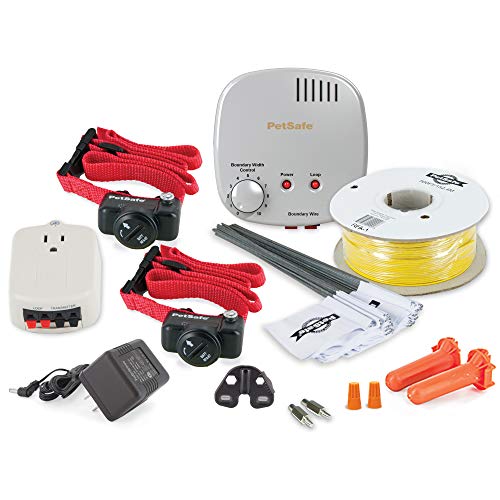
The 2-Dog Basic In-Ground Fence System is designed for easy DIY installation with an indoor transmitter, boundary flags, and two waterproof collars. It covers up to 1/3 acre with the included underground wire and offers a tone-only mode plus four static levels to adjust for each dog’s temperament. The adjustable neck collars fit dogs over six months old weighing at least eight pounds and adjust from 6 to 26 inches.
Key advantages include a straightforward setup and clear training signals. Limitations may involve wiring layout complexity in irregular properties and ongoing maintenance for longer fence lines. This system is a solid choice for households seeking a reliable, dual-dog in-ground solution with visible training cues and simple expansion.
Buying Guide: Key Purchase Considerations And Comparisons
Boundary Type: Wireless systems are quick to deploy and ideal for rental spaces or temporary setups. GPS-based fences offer flexible, wire-free boundaries ideal for large or irregular properties. In-ground wires provide consistent performance in fixed homes and can easily support multiple dogs with separate collars.
Training Modes: Look for options with multiple correction modes and adjustable intensities. Beep and vibration modes provide humane training, while shock modes should be adjustable and used cautiously. A memory function or reentry safety helps prevent overstimulation.
Range And Scale: Consider yard size and terrain. Wireless systems often max out around 1/2 acre for home use, while GPS fences can scale to several acres or more but may require more setup and signal considerations. A larger boundary requires longer setup and potentially higher costs.
Collars And Comfort: Choose collars with waterproof designs and adjustable neck sizes, ensuring comfort for extended wear. Battery life and replaceable batteries reduce downtime. For dogs sensitive to stimulation, default to tone or vibration modes and start with the lowest correction level.
Installation: Wireless options favor simple placement and portable use. In-ground systems demand proper burial of wires and transmitter positioning. GPS-based fences require a strong satellite signal and battery management for collars. Consider who will install and how often you might relocate the system.
Durability And Water Resistance: Look for IP-rated collars and weatherproof components for outdoor use. Outdoor containment often faces rain, mud, and temperature variations, so rugged hardware matters for longevity.
Open Space Suitability: Large unfenced yards benefit from GPS and high-range wireless solutions. Smaller properties or rental homes may prefer a compact wireless system with easy setup and portability.
Cost And Maintenance: In-ground systems typically require higher initial setup but lower ongoing maintenance, while GPS systems can incur subscription-like costs in some models and higher ongoing charging needs for collars. Weigh total cost against long-term boundary reliability and dog training outcomes.