For lizard owners seeking reliable, nutritious live prey, selecting the right feeder insects can impact appetite, digestion, hydration, and overall vitality. This article highlights five well-regarded live foods that are commonly used to feed bearded dragons, geckos, turtles, and other reptile species. Each product comes with practical notes on availability, size, and care to help you choose with confidence.
Summary of Selected Products
| Product | Brand | Size / Count | Notes |
|---|---|---|---|
| 100 Medium Live Dubia Roaches in Container | DUBIA FARMS | 100 ct, Medium (9/16 – 5/8 in) | Common staple feeder; note: local laws apply |
| 100 Extra Small Live Dubia Roaches in Container | DUBIA FARMS | 100 ct, Extra Small (3/8 in & Below) | Great for hatchlings and small species |
| Predator Foods Bulk Live Mealworms – 250 Count | Predator Foods | 250 Count, Medium | High nutrition; bulk option |
| 50 Small Live Mealworms | Dubia Roaches | 50 Count, Small | Protein-rich feeder for many reptiles |
| Predator Foods Superworms – 200 Count | Predator Foods | 200 Count, Large | Calorie-dense feeder; avoid refrigeration |
The table above includes a mix of roaches and worms, offering options for different lizard sizes and feeding needs. Always confirm local sale rules before ordering, and monitor your pet’s response to new prey types.
100 Medium Live Dubia Roaches In Container
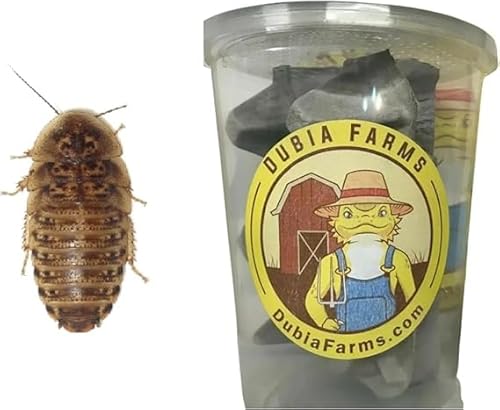
The 100-count therapeutic staple for many reptile keepers, these Dubia roaches provide a dependable protein source with a moderately sized roach that fits a wide range of lizard mouths. Brand-specific notes include compliance with local regulations, since certain regions restrict sales. The packaging indicates a 9/16 to 5/8 inch size, suitable for juvenile to young adult lizards when offered in controlled portions.
100 Extra Small Live Dubia Roaches

Extra small Dubia roaches are ideal for hatchlings, baby bearded dragons, and small geckos. These 3/8 inch and smaller roaches allow precise portioning and reduce waste. As with larger roach packs, local laws apply to sales, and buyers should inspect packing slips and delivery communications to ensure order accuracy. A steady temperature and clean enclosure help maintain roach vitality during transit and storage.
Predator Foods Bulk Live Mealworms – 250 Count

Mealworms are a versatile option for many reptiles, amphibians, and even some birds. The Predator Foods 250-count package is produced by a U.S.-based grower and distributor, emphasizing live delivery and quality control. Storage and handling guidance note that extremely high or low temperatures can affect liveliness; replacement or refunds are available with proper documentation. This size is well-suited for mid-sized lizards or as a supplementary feeding option.
50 Small Live Mealworms

These small mealworms provide a compact, protein-rich option ideal for young reptiles or species with smaller mouths. Packaged by a brand identified as Dubia Roaches in the listing, this product line emphasizes high-quality diet for the mealworms themselves to maximize nutritional content for feeders. They store well when refrigerated and can be a staple in rotating live prey regimens to support varied nutrition.
Predator Foods Superworms – 200 Count

Superworms are larger, energy-dense feeders that suit bigger lizards and those requiring more robust prey. The 200-count package from Predator Foods notes a temperature window (40-80 degrees) for guaranteed live delivery. They caution against refrigeration, as the natural moisture and activity of live superworms can diminish if stored improperly. This option adds variety to feeding schedules, complementing smaller insects for dietary balance.
Dubia.com 12 Count Medium Hornworms

Hornworms offer high water content and hydration, making them an excellent treat for bearded dragons, geckos, and aquatic turtles. The hornworms’ vivid coloration and soft bodies can encourage eating in picky feeders and aid hydration, which is beneficial in warmer climates or for reptiles that require frequent hydration. This product is listed under Dubia Roaches, though the feeder worm label distinguishes it as a flexible addition to a reptile diet.
Predator Foods Bulk Live Mealworms – 1,250 Count

This large bulk option is designed for owners who feed frequently or maintain multiple reptiles. The 1,250-count bag promises consistent availability and economy for long-term feeders. Predator Foods emphasizes live delivery within a temperature range, and buyers should follow storage guidance to extend shelf life. For rapid rotation and nutritional variety, combine with other feeder types to mimic natural foraging patterns.
Predator Foods Bulk Live Mealworms – 500 Count
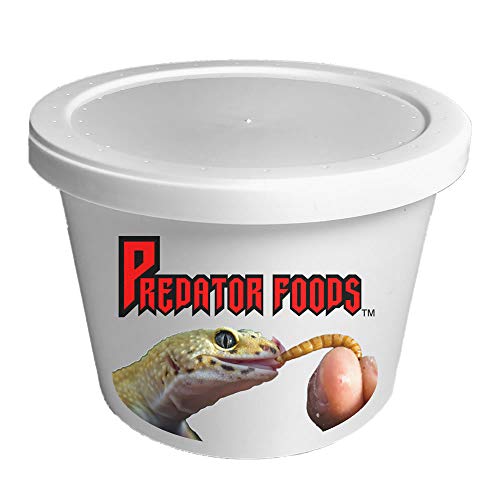
Another substantial bulk option, 500-count, is suitable for larger operations or for households with heavy feeder needs. The listing notes that live delivery is guaranteed within a 40-80 degree range, and a refrigeration-friendly approach can help extend freshness for desktop storage. This size complements mixed insect regimes and supports longer feeding cycles for busy owners.
Buying Guide: Key Purchase Considerations
- Species compatibility: Match prey size to your lizard’s current mouth size and hunting behavior. Hatchlings typically thrive on extra-small feeders, while adults may prefer medium to large options.
- Storage and handling: Live feeders require careful handling to maintain vitality. Refrigeration can extend life for some worm types, while others perform best at room temperature. Always follow seller storage guidance and use within recommended timeframes.
- Local regulations: Some regions restrict the sale or transport of live feeders. Check local laws before ordering to avoid issues at delivery.
- Delivery reliability: Live foods depend on temperature and transit conditions. Opt for sellers that acknowledge delivery timelines, provide replacement policies, and offer temperature-based guarantees when possible.
- Nutritional balance: Rotate between roaches, mealworms, and hornworms to supply varied protein, fats, and moisture. Hydration-rich options like hornworms can support reptiles with higher water needs.
- Feeding logistics: Introduce new prey gradually to prevent stress. Offer in measured portions to prevent overfeeding and reduce waste. Clean feeding dishes regularly to maintain hygiene.
- Price versus quantity: Bulk options reduce cost per insect but require storage space. Plan feeding schedules to determine optimal batch sizes for your setup.
- Quality indicators: Look for live delivery assurances, clear size specifications, and notes about handling and storage from reputable brands.
Overall, a diversified lineup of live feeders aligns with best practices in reptile husbandry, supporting appetite, hydration, and overall well-being. Always observe your lizard’s response to a new prey type and adjust quantities and frequencies accordingly.